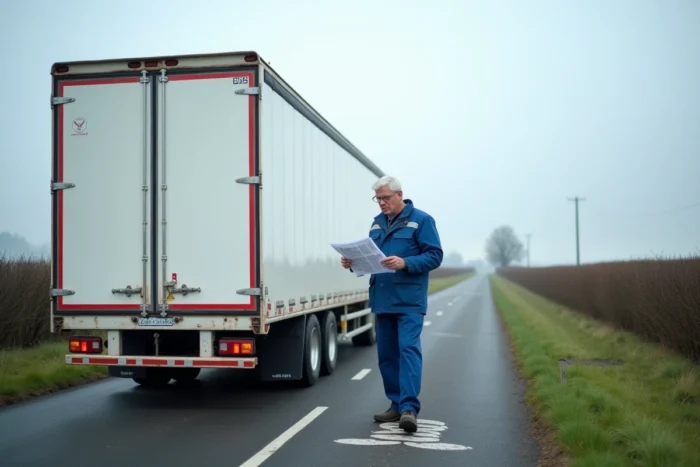
The maximum length of a trailer towed by a light vehicle in France is set at 12 meters, including the coupling device. The combination of the car and the trailer must not exceed 18 meters. These two thresholds form the basic framework, but several regulatory subtleties modify the calculation depending on the date of the trailer’s first registration or the type of approval it has received.
Towing device: a measure that varies according to the date of approval
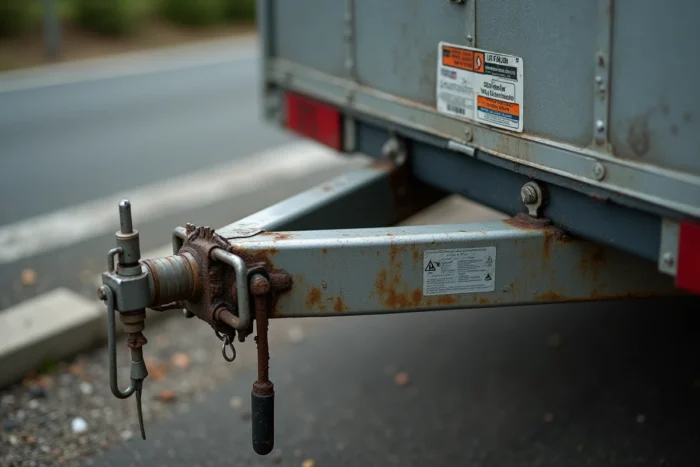
The point that generates the most confusion concerns the inclusion of the towing device (drawbar, coupling) in the calculation of the 12 meters. The current rule is clear: the towing device is counted in the total length of the trailer.
There are two exceptions for trailers already in circulation. Those that have received European approval and were first registered before November 1, 2014, do not count the towing device within the 12-meter limit. Those that have received national approval and were registered before August 1, 2021, benefit from the same exemption.
In practice, if you buy a second-hand trailer registered before these dates, its length excluding the towing device can reach 12 meters. For any more recent trailer, the coupling device is included in the calculation. Before acquiring a trailer, checking what the maximum length for a trailer is according to its date of approval avoids unpleasant surprises during technical inspections or in case of fines.
Total length of the car plus trailer: the 18-meter limit
Beyond the trailer alone, the Highway Code imposes a maximum length of 18 meters for the tractor-trailer combination. This measurement is taken from the front bumper of the towing vehicle to the rear end of the trailer, including any load that exceeds it.
For a light vehicle measuring about four to five meters, the remaining margin for the trailer is therefore comfortable. The 18-meter constraint mainly concerns atypical configurations: large caravans, boat trailers, or platforms intended for transporting vehicles.
Overhanging load at the rear
If the load extends beyond the rear of the trailer, this overhang is included in the calculation of the total length of the combination. A rear overhang beyond the trailer is allowed within certain limits, but it must never lead to exceeding the 18-meter threshold. Non-compliance with this rule exposes one to a fourth-class fine.
7-meter threshold and traffic constraints on highways
A lesser-known threshold applies to combinations whose total length exceeds 7 meters. Beyond 7 meters, specific inter-vehicle distance rules apply on highways and roads with separated lanes.
Car plus trailer combinations weighing less than 3.5 tons and exceeding 7 meters in length must maintain a minimum distance of 50 meters from the vehicle in front. This requirement aims to preserve visibility for vehicles wishing to overtake and to limit the accordion effect in traffic.
In practice, the vast majority of recreational trailers (small luggage trailers, standard utility trailers) remain under 7 meters. Configurations that exceed this threshold are typically large caravans, horse trailers, and car transport trailers.
Width, height, and GTW: other regulated dimensions
Length is not the only dimension regulated. Three other parameters complete the regulatory framework:
- Maximum width of 2.55 meters for the trailer, the same as that of the towing vehicle. Mirrors and turn signals are not counted in this measurement
- Maximum height of 4 meters for the entire combination, including the trailer and load. This limit mainly concerns tarped trailers or configurations with a boat on a raised platform
- The GTW (gross vehicle weight) of the trailer determines the type of license required and the obligation for registration. Below 500 kg of GTW, the trailer does not need its own registration certificate
The link between GTW and driving license
A B license is sufficient to tow a trailer with a GTW not exceeding 750 kg. If the GTW of the trailer exceeds 750 kg, the B license remains valid provided that the sum of the GTWs of the vehicle and the trailer does not exceed 3,500 kg. Beyond that, an additional 96 endorsement or a BE license becomes mandatory.
The GTW of the trailer must also not exceed the unladen weight of the towing vehicle. This proportionality rule, often overlooked, protects the stability of the hitch by limiting the risk of swaying.
Maximum speed with a trailer: a parameter linked to total rolling weight
The allowed speed depends on the total rolling weight of the combination. For a hitch with a total rolling weight of less than 3.5 tons, the maximum speed on the highway is 110 km/h. When the total rolling weight exceeds 3.5 tons, this limit drops to 90 km/h on the highway.
On two-lane national roads, the speed is capped at 80 km/h regardless of the weight of the combination. These limitations are in addition to the usual constraints related to weather conditions or local traffic signs.
Remember the two length thresholds (12 meters for the trailer alone, 18 meters for the combination) and check the date of approval of the trailer to know if the towing device is included in the calculation: these two checks cover the majority of situations encountered by individuals. The rest depends on the GTW, which conditions both the necessary license and the allowed speed.