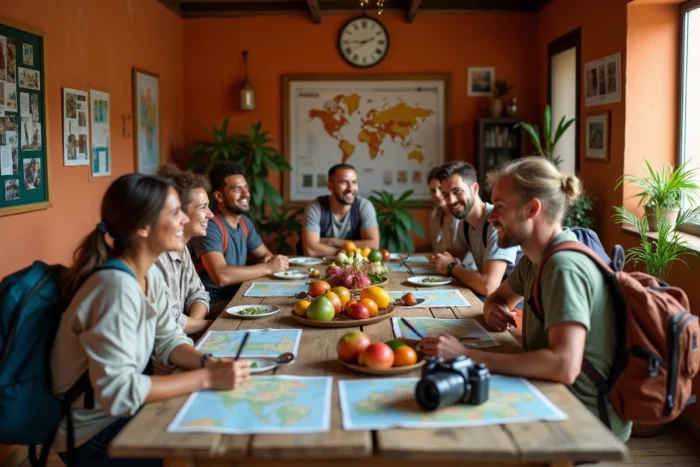
Choosing travel activities involves balancing available time, budget, and what one truly wants to gain from the experience. Destination lists abound, but they rarely specify what to do on-site or why an activity deserves half a day over another. This ranking prioritizes activities that leave a tangible mark: a skill acquired, a landscape viewed from a physical angle, a measurable cultural immersion.
Criteria considered: accessibility from France, geographical diversity, and the ratio between time invested and the intensity of the memory.
1. Local Cooking Class Immersion
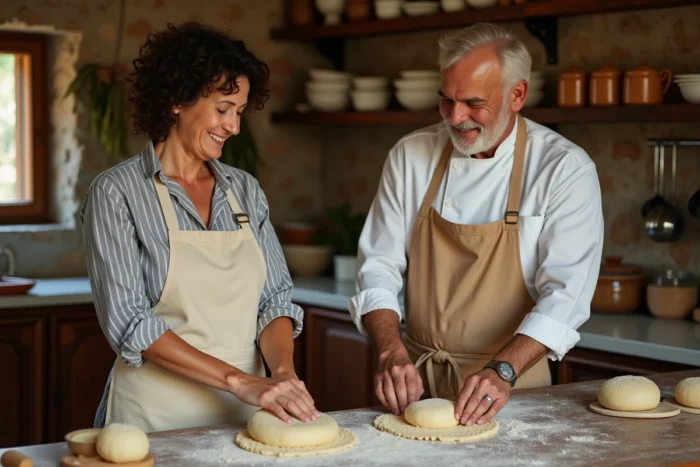
In recent years, activity booking platforms have ranked immersive cooking classes among the best-rated experiences in the world. GetYourGuide refers to “bringing back a new skill instead of just a souvenir” as a strong trend for upcoming seasons.
The idea goes beyond a simple tourist workshop. In Bangkok, Ho Chi Minh City, or in the southern cities of France, these classes often start with a market visit. Participants learn to recognize ingredients, negotiate with producers, and then cook a complete meal.
This “skills-based” format transforms the traveler: you leave with a reproducible recipe at home, not just a photo. For those who want to plan such activities before departing, it is possible to visit Voyages 365 online to compare available options by destination.
2. Hiking in the Ardèche Gorges
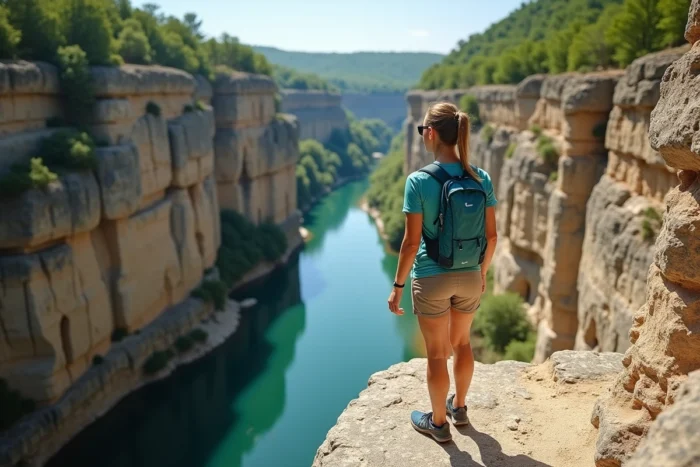
The Ardèche gorges offer hiking terrain that combines limestone cliffs, turquoise river, and preserved wildlife. The trail along the natural reserve remains one of the most spectacular in France.
The activity suits families as well as experienced hikers, with trails of varying difficulty. However, summer crowds can turn some sections into waiting lines. Favoring spring or early autumn radically changes the experience.
3. Urban Exploration on Foot in an Unknown City
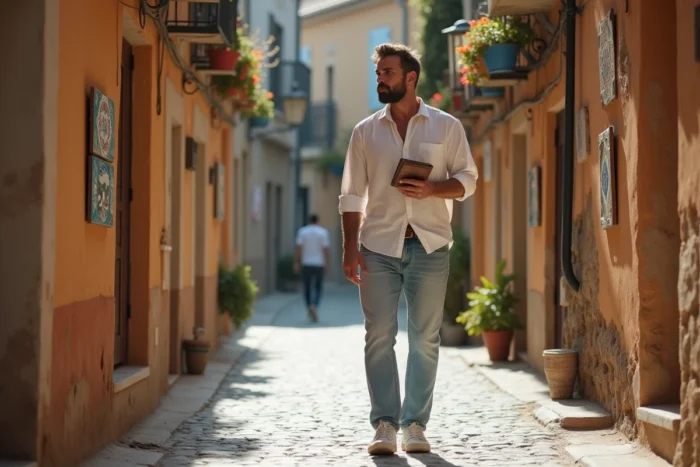
Lonely Planet and several recent guides highlight urban wandering as a standalone activity, not just a mode of transportation. Walking in an unknown city without a fixed itinerary allows you to discover neighborhoods that organized tours overlook.
This approach aligns with the trend of proximity and low-carbon travel. A city break accessible by train from France (Porto, Barcelona, Amsterdam) often yields more significant discoveries than a three-day flyover of a distant capital.
4. Diving or Snorkeling in Natural Environments
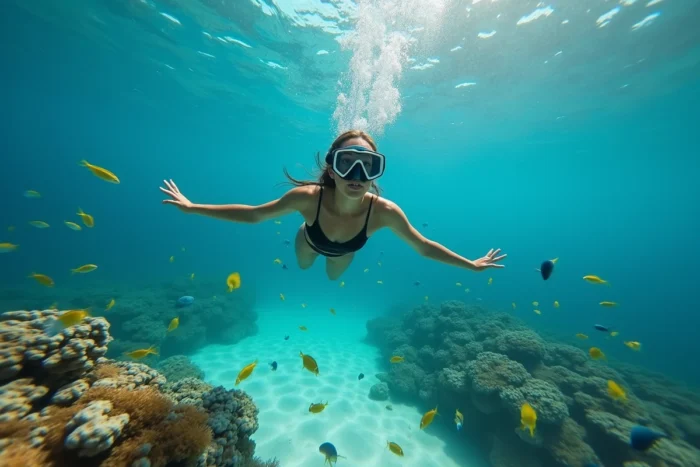
Observing underwater life remains one of the few travel activities that provides total sensory displacement. The seabeds of Sardinia, Okinawa, or the Costa Rican coast are among the spots frequently mentioned by travelers.
Snorkeling requires no certification and is suitable for all levels. Scuba diving, on the other hand, requires prior training. Field reports vary on the quality of dive centers depending on the destinations: checking the PADI or SSI certifications of the provider before booking remains a useful precaution.
5. Photo Safari in a Delta or Nature Reserve
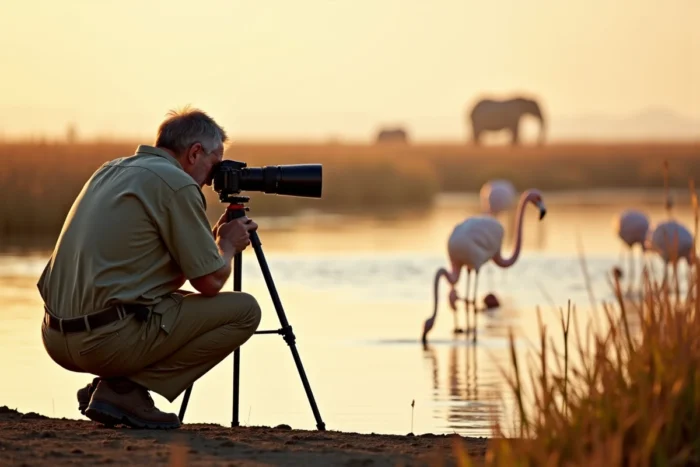
The Okavango delta in Botswana or the reserves of South Africa offer safaris where observation takes precedence over the collection of photos. The difference between a mass safari and a guided photo safari lies in the group size and the timing of outings.
Early morning and late evening departures significantly increase the chances of observation. A local naturalist guide provides context that animal geolocation apps cannot replace.
6. Kayaking or Traditional Boat Navigation
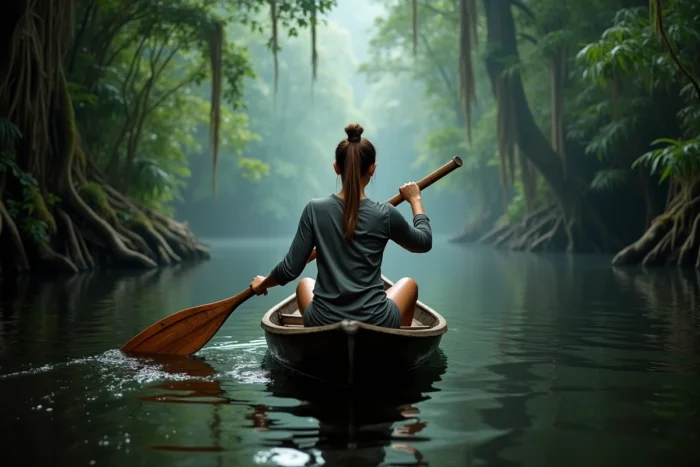
Descending a river by kayak or navigating on a traditional boat provides access to landscapes that are inaccessible on foot. In Ardèche, Norway, or Cambodia, water remains the best way to explore certain regions.
The activity requires a minimum level of fitness for whitewater kayaking, but calm routes are suitable for families. Available data does not allow for precise comparison of prices from one country to another, as the differences depend on the provider and the season.
7. Visiting Archaeological or Historical Sites Off the Beaten Path
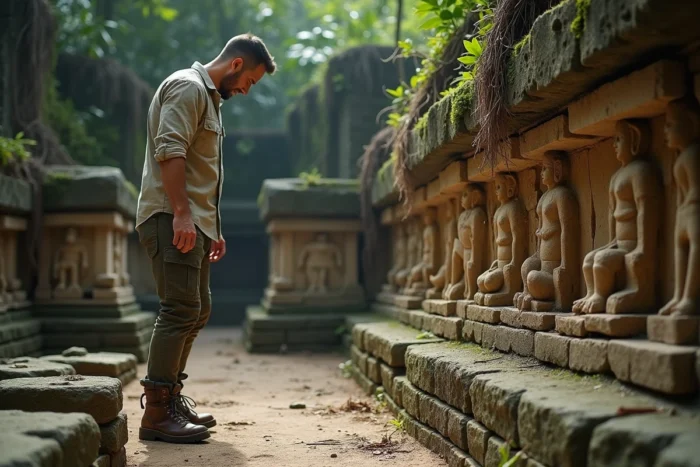
Istanbul, Cambodia, or Peru are home to sites where the historical density exceeds what an audio guide can convey. A specialized local guide transforms a passive visit into a reading of the territory.
A common pitfall: arriving at a major site without having reserved a time slot. In recent years, several monuments have imposed visitor limits or mandatory reservations. Checking this point before departure avoids disappointment on-site.
8. High-Altitude or Remote Trekking
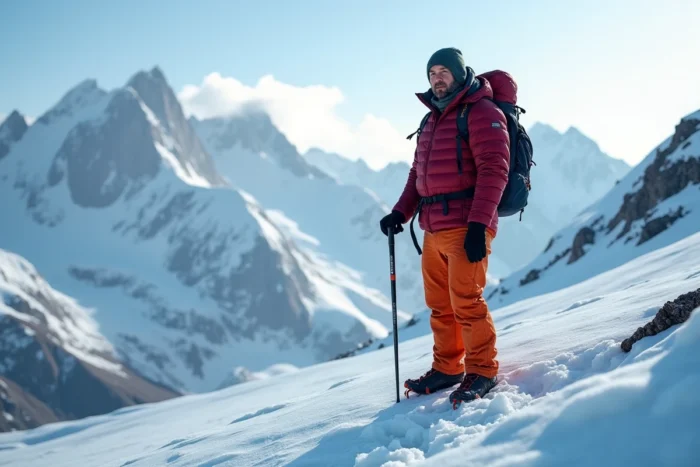
Trekking differs from hiking by its duration (several days) and physical commitment. The mountains of Peru, Montana in the United States, or the trails of Norway offer routes where isolation is an integral part of the experience.
Departing with appropriate gear and realistic physical preparation is crucial for success. Field reports vary on the necessity of a guide: in marked areas, independence works; on poorly documented trails, a local guide reduces risks.
9. Learning a Local Craft
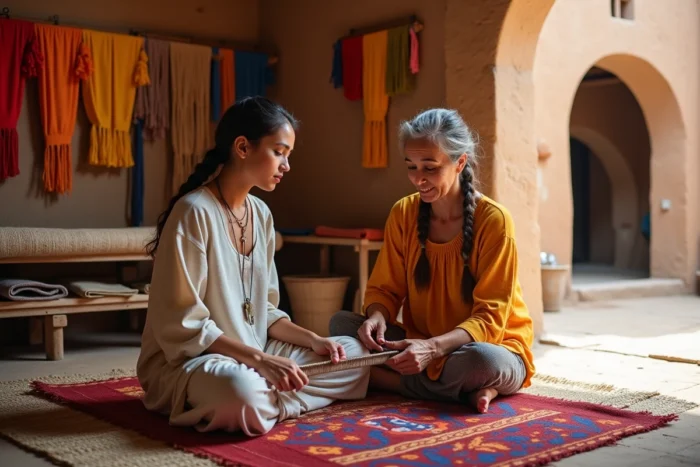
Pottery in Morocco, weaving in Japan, leatherwork in Italy: these artisan workshops allow for an understanding of a culture through craft. This “skills-based” trend extends the logic of cooking classes to other know-how.
The quality of the experience depends almost entirely on the artisan leading it. Booking platforms are beginning to filter these activities by verified reviews, but local word-of-mouth often remains more reliable.
10. Northern Lights Observation in Scandinavia
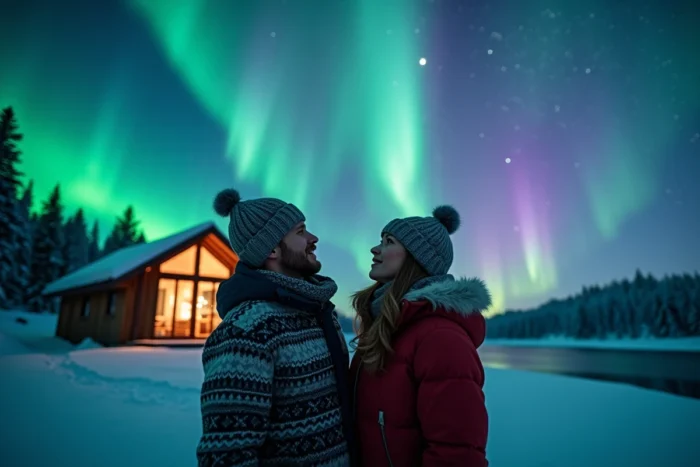
The northern lights are among the most sought-after natural phenomena by travelers. Arctic Scandinavia, particularly Norway, remains the most accessible destination from Europe to observe them.
- The optimal period extends from September to March, away from the busy summer tourist season
- Weather conditions remain unpredictable: planning several nights on-site increases chances
- Some providers offer real-time alerts to maximize observation opportunities
The activity is not just about the light show. The landscapes of snowy fjords, fishing cabins, and polar light create a setting that photography can only partially capture. Staying several days on-site rather than just one night fundamentally changes what one retains from the trip.